
From Storybooks to School Sport: What the October Budget Means for Young People

A book to take home before starting school. A sports club where more children can join in. An apprenticeship with a local employer. These are some of the opportunities the October 2026 Budget aims to widen for children and young people in England. The announcements also come at a time when councils are facing a growing gap in funding for special educational needs and disabilities (SEND).
More books before the first day of school
The Budget commits up to £5 million a year for three years from 2027/28 to improve access to books for preschool children. The Treasury names BookTrust and Dolly Parton’s Imagination Library as examples of organisations the funding could support. For families, more books at home can mean more chances to share stories and help children develop a love of reading before they start school.
School sport that more children can take part in
The Department for Education will receive an extra £60 million a year to help fund the PE and School Sport Partnerships Network, which is due to roll out in 2027. The network will replace the existing primary PE and Sport Premium and work with primary and secondary schools to widen participation. It will focus on children who are least active, including girls, pupils with SEND and children from disadvantaged backgrounds. In practice, that could mean more choice in after-school activities or sessions adapted so more pupils can join in.
More routes into work close to home
The Budget commits £100 million over two years from 2027/28 to expand apprenticeship support from seven to 14 mayoral areas in England. Local teams will help young people find apprenticeships and support employers, especially smaller businesses, to offer more places. For a school or college leaver who wants to earn while they train, that could make it easier to find an opportunity close to home.
The funding pressures schools still face
The Office for Budget Responsibility (OBR) forecasts that the annual gap between what councils spend on SEND provision and the funding they receive for it could reach £5.7 billion in 2027/28, up from £2.8 billion in 2025/26. Under existing plans, central government will fund SEND spending from 2028/29. For families, the question is how those plans translate into timely support for their children at school.
The OBR also projects that total mainstream school spending could fall by an average of 2% a year after inflation between 2028/29 and 2031/32. That projection assumes funding per pupil keeps pace with inflation while pupil numbers fall. Future funding decisions will be made through the Spending Review, due in 2027.
The October Budget sets out new funding for books, school sport and apprenticeships. As those plans take shape, what matters is whether they reach the children and young people who face the greatest barriers to taking part. That means thinking about the practical details, from whether a sports session is accessible to whether a young person can get to an apprenticeship by bus.
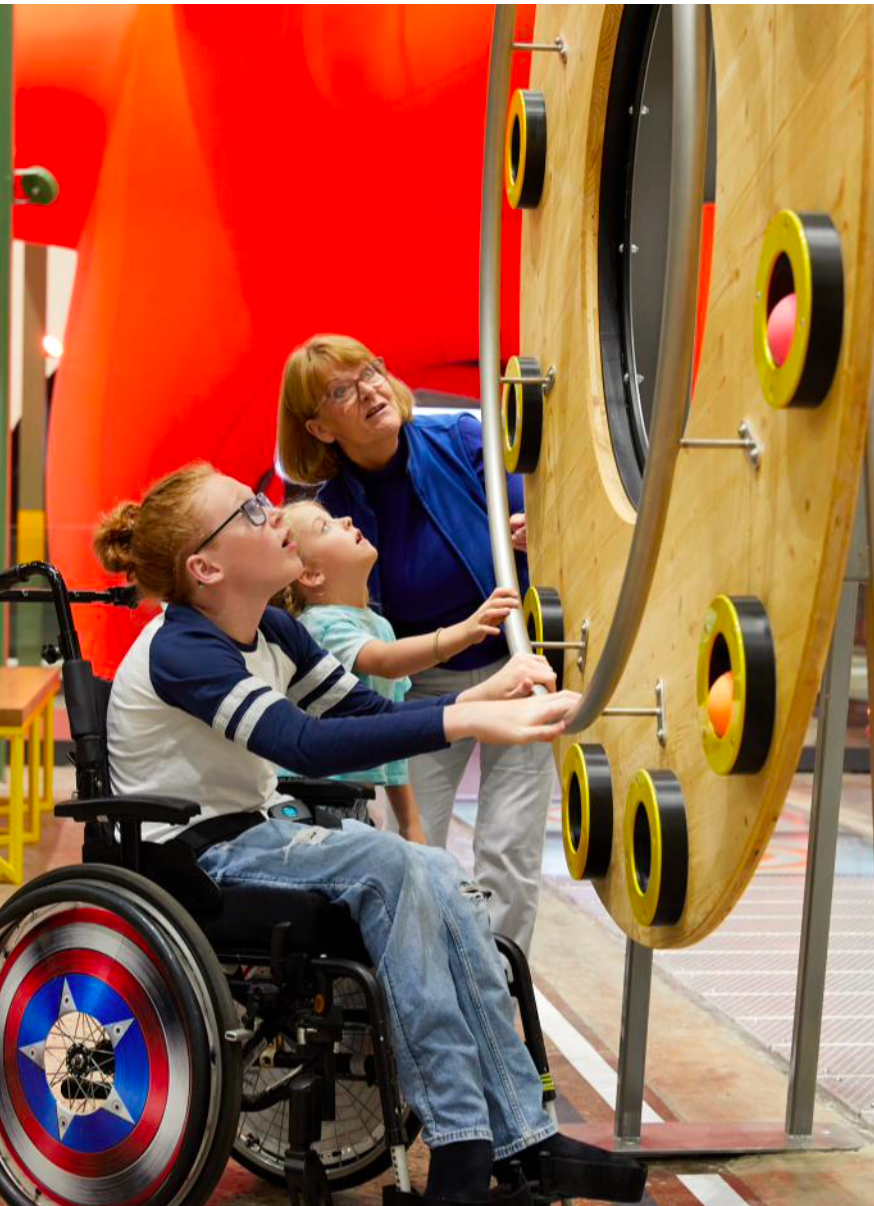
At the David Brown Foundation, we see how much it can mean for a child to try something for the first time. Whether it’s getting hands-on with science at Wonderlab in York or spending a night under canvas at Lineham Farm, these experiences give young people room to discover what they enjoy and what they’re capable of. We’ll continue to support projects that make those experiences possible for more children across Yorkshire.


Comments